

.jpg)


FTAs and Trade Policies Bring Opportunities for Indian Plastic Industry
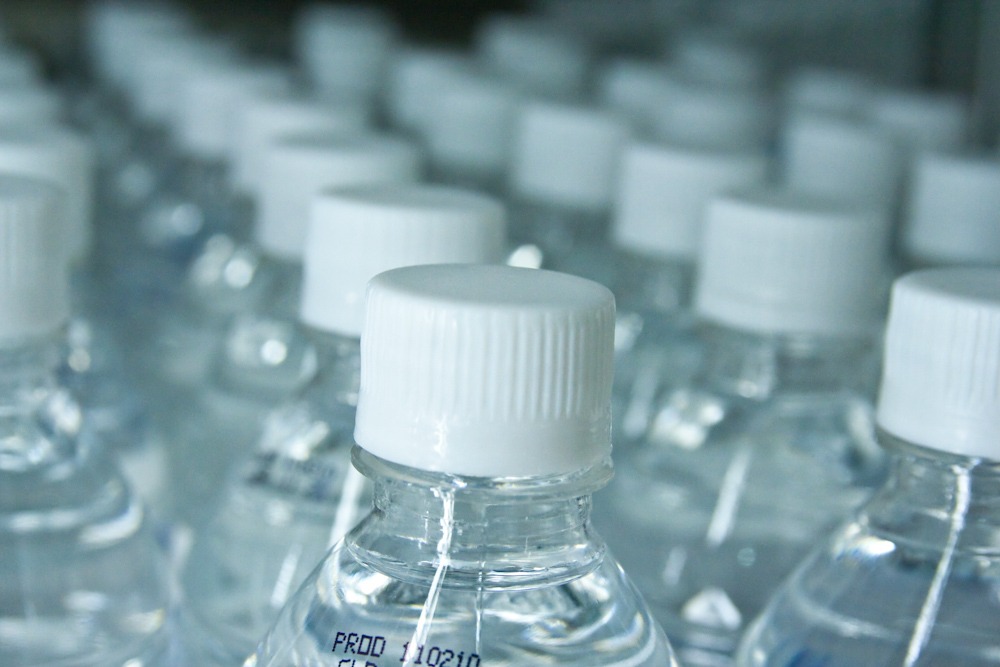
Packaging rarely fails because of a lack of demand. It fails because of a lack of access. In many factories, growth is measured by what happens inside the plant. They track machine uptime, monitor cycle times and minimize material waste. But for many Indian brands, the real ceiling isn't the capacity of the machinery, it’s actually the invisible friction of the border.
For a very long time, Indian plastic packaging was seen as a local or regional solution. Also high import duties, complex documentation and unpredictable trade barriers made global expansion feel like a gamble. But as we move through 2026, the implementation of landmark Free Trade Agreements (FTAs) has reversed the math. The border no longer acts as a barrier, but it’s now a competitive advantage.
You Might Also Like: How Customisation In Rigid Plastic Packaging Helps Build Stronger Brands?
India’s trade landscape has reached a turning point, shifting toward a global strategy that actually rewards manufacturers for high precision engineering and quality
- The India-EU FTA: This landmark pact now delivers preferential access for more than 99.5% of India’s trade value. For the plastics and rubber industries, this eliminates duties that previously ranged from 4% to 26%. The PlastIndia Foundation estimates this unlocks an untapped potential of nearly $9 billion, supporting the industry's target to double exports to $20 billion by 2027.
- The India-Australia ECTA: As of 1st January, 2026, 100% of Indian tariff lines enter Australia at zero duty. This provides unfettered access to a high income market where Indian origin manufactured goods, including pharmaceutical and FMCG packaging are now significantly more price competitive than non FTA competitors.
- The India-US 18% Reciprocal Deal: Following a bilateral agreement between the two nations, the US and India moved to a reciprocal tariff cap of 18%. This reduction replaces the previous 25% reciprocal tariff that had been in effect, effectively setting a new baseline for bilateral trade. For the petrochemical and plastic value chain, this now establishes a competitive pricing ceiling for Indian made polymers and finished articles (HS 3923) entering the North American market. By stabilizing the duty at 18%, India is now holding a strategic advantage over regional export rivals such as Vietnam (20%), Bangladesh (20%) and China (34%),which positions Indian rigid packaging as a primary choice for U.S. supply chains seeking both technical precision and cost efficiency.
Operational Advantages Beyond the Tariff Wall
While the 0% and 18% headlines are very significant, the true advantage for manufacturers actually lies in the structural reforms that simplify global distribution:
- Product Specific Rules (PSRs): Now the new frameworks are aligned with global supply chains. They allow for the sourcing of specialized non originating resins while maintaining duty free status, provided the Substantial Transformation (the moulding and engineering) is performed in India.
- Regulatory Alignment: A new framework for mutual recognition of testing standards is cutting out redundant quality checks. As European regulators are increasingly accepting certifications from NABL-accredited Indian labs, manufacturers can now lower their per SKU entry costs for food grade and medical plastics.
- MSME Self Certification: Exporters can now issue a Statement on Origin directly. This eliminates the 7-10 day wait for third party Certificates of Origin, aligning customs clearance with high velocity, just in time supply chains.
Moving From Local Supplier to Global Partner

Trade deals do more than lower prices, they raise the barrier to entry through Rules of Origin (RoO) and Technical Barriers to Trade (TBT). To qualify for these benefits, Indian manufacturers must meet specific industrial benchmarks:
- Micron-Level Consistency: European and Australian filling lines operate at higher speeds than many domestic setups. A bottle with even 0.2mm of dimensional drift will cause repeated downtime. FTAs have turned precision into a mandatory export requirement.
- Material Circularity: As per the agreement, the market access is increasingly linked to sustainability. While zero duty access is a ticket to entry, the long term success requires mono material designs that align with the EU’s Packaging and Packaging Waste Regulation (PPWR).
Where the Export Volume is Actually Moving?
The impact of these policies is concentrated in sectors requiring high performance rigid packaging:
- Pharmaceuticals & Medical Instruments: With EU tariffs of up to 6.7% eliminated across 99.1% of trade lines, Indian made medical grade plastics and primary pharma packaging are seeing a quantum leap in European demand.
- Specialty Chemicals & Polymers: The 18% US duty cap provides a policy risk ceiling that allows Indian chemical exporters to lock in multi-year contracts with American buyers, ensuring stable supply chains for high value intermediates.
- FMCG & Personal Care: High end brands in Australia and the UK are utilizing zero duty access to source sustainable Indian dispensers and closures, which are now 10-15% more affordable than non-FTA alternatives.
Conclusion- Growth Rewards the Prepared
Trade policy is a performance multiplier, but it only works if the product can handle the scale. The landmark deals of 2026 have opened doors to over three billion consumers. However, these consumers demand a level of consistency that legacy manufacturing cannot provide.
In the end, FTAs don't just help you sell more but they challenge you to build better. The brands that win will be those that treat these trade policies not as a tax break, but as a mandate for global grade engineering.
Frequently Asked Questions
1. How do I verify if my product qualifies for the 0% duty?
You must verify the HS Code (Harmonized System). For example, HS 3923.30 (bottles/flasks) and 3923.50 (stoppers/lids) are generally covered. Over 98% of plastic tariff lines are included in the latest India-UK and India-EU deals.
2. What are Rules of Origin in these new deals?
These rules prevent trade rerouting, which means that you must prove that a significant part of the manufacturing (usually 40%+) happened in India. This rewards firms that invest in in house structural engineering and molding.
3. Does the US 18% deal apply to raw polymers?
Yes, the reduction covers plastic polymers, produced goods and semi-finished products. This is especially vital for the chemical sector, where the lower tariff improves price competitiveness against suppliers from regions facing higher punitive duties.
You Might Also Like: How Customisation In Rigid Plastic Packaging Helps Build Stronger Brands?


