

.jpg)


India’s 2026 Solid Waste Management Rules: Packaging’s New Reality
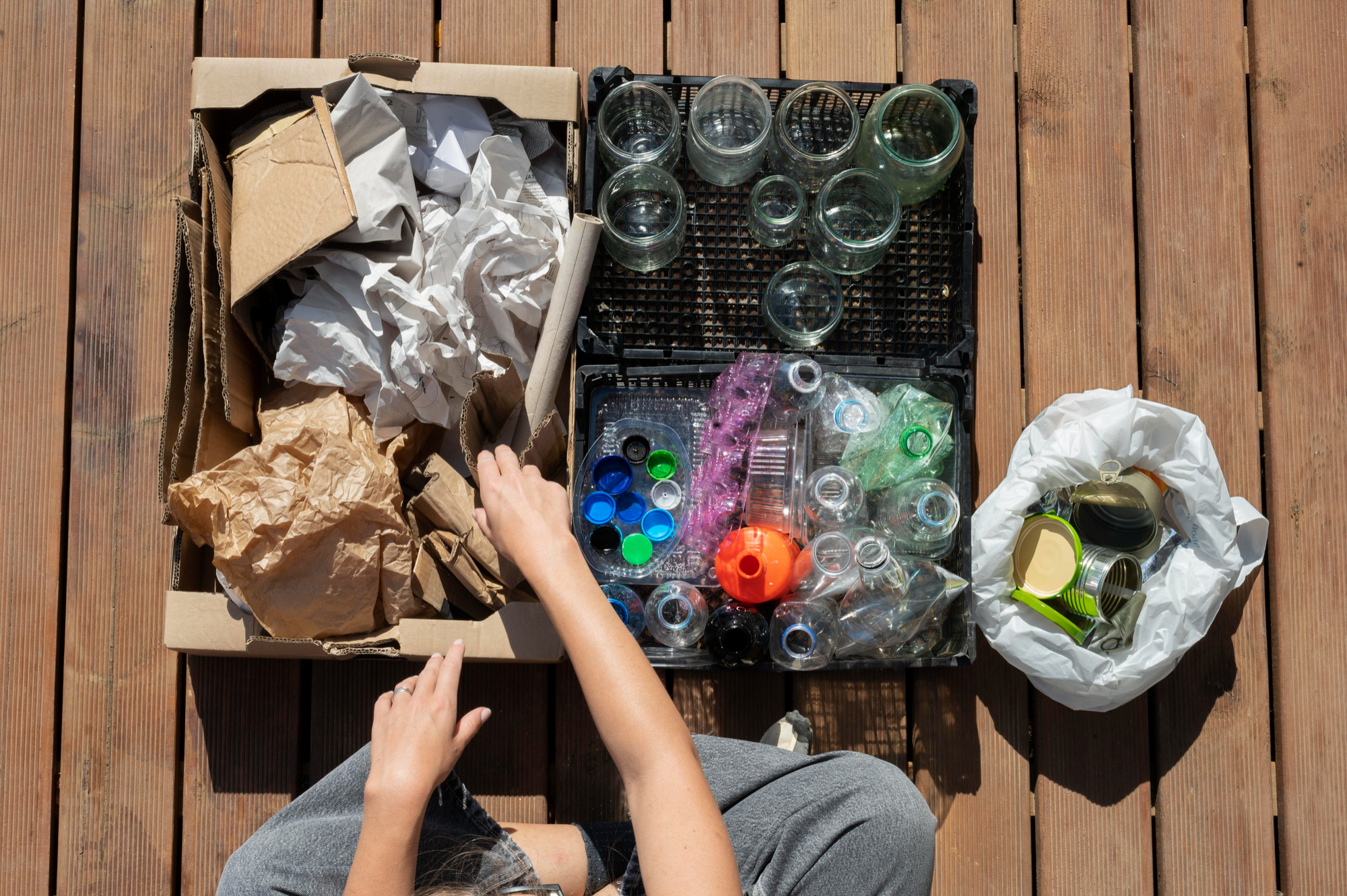
April 1, 2026, marks the day India officially stops treating waste as just a "municipal problem" and starts treating it as a shared legal responsibility. The new Solid Waste Management (SWM) Rules, 2026, have replaced the old 2016 framework, effectively ending the "collect-dump-forget" model that has dominated our cities for decades.
For anyone in the packaging world, this isn't just a minor policy update. It’s a total reset. From how you design a pouch to how you report your sales data on the CPCB portal, the rules of the game have changed.
You may also like: 2026 Innovation: The "Lotus Effect" & Active Freshness Intelligence
In the 2026 waste landscape, the goal is simple: keep the waste stream pure. If a plastic container is contaminated with food or mixed with medical waste, its value drops to zero. By mandating segregation at the source, the government is trying to ensure that recyclables actually make it to a recycling plant instead of a landfill.
When companies get ahead of these rules:
- Dry waste (like plastics and paper) stays clean and valuable
- EPR targets become a source of data, not just a compliance headache
- Brands avoid the "Polluter Pays" penalties that are now strictly enforced
- Landfill usage is minimized, saving on rising disposal fees
Common Problems Caused by the Old "Mixed Waste" Mindset
The biggest issue on the ground today isn't a lack of technology; it's the gap between intent and practice. Many brands are finding that their current packaging isn't ready for a world where every gram of waste is tracked:
- Contaminating dry recyclables by mixing them with organic wet waste
- Failing to set up labeled bins or clear internal SOPs for the four mandatory streams
- Under-reporting plastic volumes on the CPCB digital portal
- Relying on multi-layered plastics (MLP) that are flagged as "Red" under EPR
- Bulk generators failing to process their own organic waste on-site
The Operational & Financial Impact for Brands
Let’s be honest: compliance is now cheaper than non-compliance. The "Polluter Pays" principle is in full effect, and the financial hit for cutting corners is significant. Brands that ignore the 2026 reality face:
- Hefty environmental compensation for false reporting or missing recovery targets
- Landfill fees for unsegregated waste that are now intentionally higher than the cost of recycling
- Surcharges of 60% or more on EPR fees for problematic, hard-to-recycle materials
- Potential loss of market access for failing to appoint authorized representatives or register properly
Why is this new framework actually useful?
It sounds like a lot of red tape, but this structure helps the industry:
- Build a circular economy that could add $218 billion in value by 2030
- Standardize waste data across the country through a single digital portal
- Drive innovation in mono-material designs that are actually "recyclable" in practice, not just on paper
- Create a cleaner, more professional image for Indian brands in global markets
Meeting the April 1 deadline requires a proactive shift in how your facility operates:
- The Four-Stream Mandatory Split: Every household and business must now sort waste into Wet (organics), Dry (recyclables), Sanitary (hygiene products), and Special Care (hazardous/e-waste).
- Digital Accountability: Use the CPCB Centralized Online Portal to track every stage of your waste management, from generation to final disposal.
- Bulk Waste Generator (BWG) Responsibility: If your facility is over 20,000 sq. m. or produces 100 kg of waste a day, you must process your own wet waste on-site or get certified for off-site handling.
- Switch to Mono-Materials: Simplify your life by using designs that fall into "Green" EPR categories, reducing both your fees and your reporting burden.
Conclusion
India’s 2026 Solid Waste Management Rules are a wake-up call for the entire packaging ecosystem. We are moving away from the era of "municipal services" toward a model of "shared responsibility." Brands that treat this as an opportunity to innovate rather than just a box to check—will find themselves with lower costs, better data, and a much stronger relationship with their consumers.
In the end, line efficiency and waste management are two sides of the same coin: it’s all about consistency.
Frequently Asked Questions
1. What exactly are the four mandatory waste streams? Starting April 1, 2026, you must sort waste into Wet (kitchen/food), Dry (plastic/paper/metal), Sanitary (diapers/pads), and Special Care (batteries/e-waste).
2. How does the "Polluter Pays" principle affect my brand? It means if you don't meet your collection targets, or if you provide false data on the CPCB portal, you will be hit with financial penalties designed to be more expensive than proper waste management.
3. What is a Bulk Waste Generator (BWG)? A BWG is any entity (like a large factory, office complex, or hotel) that generates more than 100 kg of waste per day or fits specific size and water-use criteria. These entities have the strictest on-site processing requirements.


